Table of Contents
Medically reviewed by the clinical team at Quick Neuro Relief & Stroke Centre, Lahore.
Diet After Stroke: Foods That Help Recovery and What to Avoid
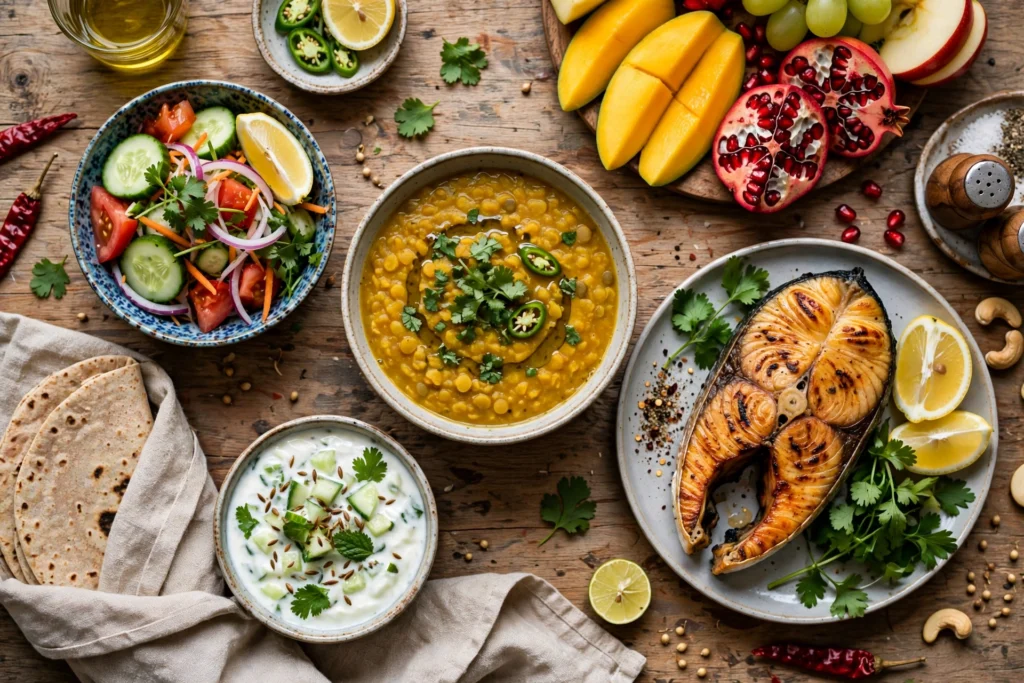
The best diet after stroke is built around whole foods: vegetables, fruit, lentils, whole grains, fish and healthy fats, with strict limits on salt, fried food and sugary drinks. It helps control blood pressure, blood sugar and cholesterol, which lowers the chance of another stroke and supports stronger recovery. This guide covers the best foods for stroke recovery using ingredients from any Pakistani kitchen, plus the foods to avoid after stroke and a simple one day meal plan.
Key takeaways
- A steady diet after stroke lowers blood pressure and cholesterol, the biggest risk factors for a second stroke.
- Build meals around vegetables, fruit, daal and other lentils, whole grains, fish and a small amount of healthy oil.
- Cut back hard on salt, fried snacks, sugary drinks, processed meat and full fat dairy.
- Drink enough water daily unless your doctor advised a fluid restriction.
- Patients with swallowing problems need soft, smooth foods and should eat sitting fully upright.
Why diet matters after a stroke
Food plays a direct role in how the brain and blood vessels recover. High blood pressure is the most common cause of stroke in Pakistan, and the salt and fat in daily meals have a strong effect on it. Doctors treat the diet after stroke as part of the treatment plan, not an afterthought, because it also helps control diabetes and high cholesterol, which together drive most repeat strokes. Patients who eat regular balanced meals usually tolerate physiotherapy better and regain stamina faster.
Best foods for stroke recovery
The best stroke recovery foods are simple and affordable. Together they form the foundation of a diet after stroke that families can sustain for years.
Vegetables and fruit
Aim for several servings of vegetables and one or two servings of fruit each day. Dark green vegetables such as spinach (palak), mustard greens (saag) and fenugreek leaves (methi) provide folate, potassium and fiber, which support heart and brain health. Eat seasonal whole fruit such as guava, oranges and apples instead of juice, because whole fruit keeps its fiber.
Lentils, beans and whole grains
Daal, chana, lobia and other lentils are among the best stroke recovery foods in a Pakistani home. They are rich in protein, fiber, folate and potassium, and they keep blood sugar steady. Cook them with little oil and light salt. Choose whole wheat roti, brown rice or oats instead of white flour products.
Fish and lean protein
Fish is an excellent protein for a brain stroke diet. Fish such as rohu and other oily fish provide omega 3 fats, which support heart health. Eat fish one or two times a week, grilled or steamed rather than deep fried. Skinless chicken is another good lean option. Keep red meat rare and portions small.
Tuver Ki Daal and Other Local Protein Foods
Tuver ki daal counts as recovery protein because it supplies plant protein, fiber and iron in an affordable everyday food. Recovery needs steady protein across the day, and daal helps meet that need without heavy fat or salt. Aim for one bowl of cooked daal at lunch and one bowl at dinner, served with roti or a small portion of rice, and keep the oil and salt light. Two more local options work the same way: moong daal, which cooks soft and suits patients who struggle to swallow, and chana, which pairs well with salad and yogurt for a filling lunch. If the patient eats little at one meal, add a second small protein food at the same meal, such as yogurt, an egg or a small piece of fish, and ask the doctor or dietitian about the right portion for that patient.
Healthy fats in small amounts
Use mustard oil, olive oil or canola oil in small amounts instead of ghee, butter or vanaspati, which are high in saturated fat. A small handful of unsalted peanuts, almonds or walnuts adds healthy fats and vitamin E. These small swaps are an easy win for any diet after stroke.
Foods to avoid after stroke
Knowing the foods to avoid after stroke is just as important as knowing what to eat. Cutting these items is one of the fastest ways to improve a diet after stroke.
Excess salt
Too much salt raises blood pressure directly. Cut back on table salt, pickles (achaar), papad and packaged foods like chips and instant noodles. Flavor food with lemon, fresh herbs and garlic instead of extra salt, and ask your doctor for the right salt limit for your condition.
Fried and fatty foods
Samosas, pakoras, deep fried fish, oil soaked parathas and fast food are loaded with unhealthy fats and salt. They raise cholesterol and blood pressure and add weight. Try baking these snacks with a light brush of oil instead.
Sugary drinks and sweets
Regular soda, packaged juices, sweetened lassi and heavy mithai push blood sugar up and add empty calories. Drink plain water or fresh lime water without added sugar instead.
Processed and preserved foods
Sausages, salami, canned meats and most bakery items contain preservatives and hidden sodium. Fresh home cooked food is almost always the safer choice for a patient recovering from a stroke.
Best diet for stroke patient: a sample one day meal plan
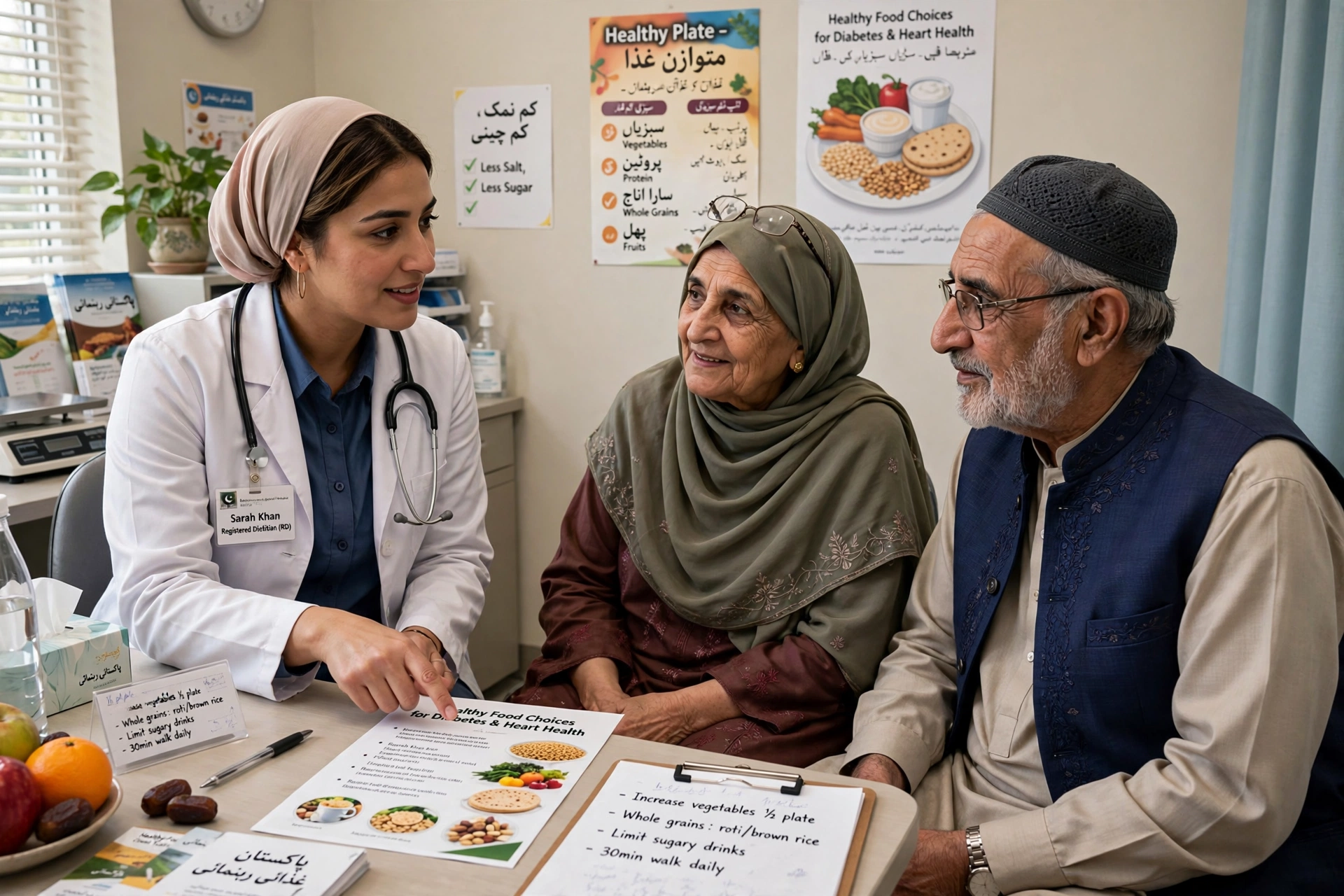
This sample plan uses ordinary Pakistani foods and shows how a diet after stroke looks in practice. Families can repeat this rotation with different daals, vegetables and proteins through the week.
Breakfast: one bowl of oatmeal or dalia cooked in low fat milk, topped with sliced banana, plus one boiled egg.
Mid morning: one seasonal fruit such as a guava or an orange, with a glass of water.
Lunch: two small whole wheat rotis, one bowl of moong or masoor daal cooked with little oil, one cup of mixed vegetable sabzi, and a small cucumber and tomato salad.
Evening: a handful of unsalted roasted peanuts with unsweetened green tea.
Dinner: one small portion of brown rice or one roti with grilled fish or skinless chicken, plus a bowl of palak sabzi.
Hydration after stroke
Mild dehydration can cause tiredness, dizziness and confusion, which makes rehabilitation harder. Most stroke patients should drink six to eight glasses of water a day, spread through the day, as part of a healthy diet after stroke. Some patients take water tablets or have heart or kidney conditions that limit fluids, so follow your doctor’s exact advice in that case.
Swallowing problems and soft diet tips
Difficulty swallowing is common after a stroke and can make eating dangerous if food enters the airway.
- Have a doctor or speech therapist assess swallowing before deciding on food textures.
- Offer soft, smooth foods: khichdi, mashed daal, soft porridge, mashed banana, yogurt and well cooked mashed vegetables.
- Avoid thin liquids, hard pieces and mixed textures if the patient coughs while eating, unless a therapist has approved them.
- Keep the patient sitting fully upright during meals and for at least thirty minutes after.
- Report warning signs promptly: coughing or choking during meals, a wet sounding voice after swallowing, or repeated chest infections.
Should a stroke patient take supplements?
No supplement has strong proof of reversing stroke damage, and some interact with blood thinners and blood pressure medicines. Real food comes first in any diet after stroke. A doctor may still prescribe vitamin D, iron or B vitamins if blood tests show a deficiency. Do not start any supplement or herbal remedy on your own. Ask your doctor or pharmacist whether it is safe with the patient’s medicines.
Diet for paralysis patient: tips for caregivers
Plan regular meal times, because routine helps appetite and digestion. Cut food into small pieces or mash it for patients with weak hands or poor chewing. Prevent constipation, which is very common in diet for paralysis patient care, with fiber from vegetables, fruit and lentils plus enough fluids. Consistency matters more than perfection in a home diet after stroke. At Quick Neuro Relief & Stroke Centre Lahore, the clinical team counsels families on these day to day feeding routines as part of stroke rehabilitation.
Related reading: can paralysis be cured and falij ka ilaj
Frequently asked questions
What is the best diet after stroke?
The best diet after stroke centers on vegetables, fruit, lentils, whole grains, fish and healthy oils, with low salt and almost no fried food or sugary drinks. This pattern controls blood pressure, blood sugar and cholesterol, which protects against a second stroke.
Which foods help the brain recover after a stroke?
Leafy greens, seasonal fruit, lentils, oily fish, nuts and whole grains are among the best stroke recovery foods. They supply folate, potassium, fiber and omega 3 fats that support blood vessels and brain health.
What foods should a stroke patient avoid?
The main foods to avoid after stroke are excess salt, pickles and salted snacks, deep fried foods, sugary drinks and processed meats. Alcohol should also be avoided or strictly limited as advised by the doctor.
Can a paralysis patient eat normal home food?
In most cases, yes. A normal Pakistani home diet works well as a diet for paralysis patient recovery once adjusted: less salt and oil, more vegetables and lentils, and soft textures if swallowing is affected.
Is rice allowed in a brain stroke diet?
Rice is allowed in a brain stroke diet in moderate portions, and brown rice is the better choice for its fiber. Patients with diabetes should keep portions small and pair rice with daal or vegetables.
How soon after a stroke can normal eating resume?
It depends on swallowing safety. A swallowing assessment decides the timeline, so follow the speech therapist’s guidance.
Disclaimer: This article is for general information only and is not medical advice. Please consult your own doctor or a qualified dietitian before making changes to a stroke patient’s diet, especially if the patient takes blood thinners or has diabetes, kidney disease or swallowing problems.