Medically reviewed by the clinical team at Quick Neuro Relief & Stroke Centre, Lahore. Reviewed for medical accuracy in October 2026.
What Should You Not Do After a Stroke? 9 Mistakes Families Must Avoid
Wondering what should you not do after a stroke? You should not skip your medication, drive before your doctor clears you, smoke or drink alcohol, or delay rehabilitation. The first weeks after a stroke decide how much function you recover, and avoiding these common mistakes protects your brain while it heals and lowers your risk of a second stroke.
Key Takeaways: What Should You Not Do After a Stroke
- If you remember nothing else about what should you not do after a stroke, remember this: take every medicine on time, and never stop prescribed drugs on your own.
- Do not drive, climb stairs alone, or exercise without supervision until your doctor approves.
- Start rehabilitation early, because each week of delay can cost progress that is hard to win back.
- Quit smoking and alcohol completely. Both sharply raise the risk of a second stroke.
- Watch for swallowing problems, depression, and warning signs of another stroke, and act fast if they appear.
Below is a clear list of what should you not do after a stroke, explained one mistake at a time so your family can avoid every one of them.
1. Do Not Stop or Skip Your Stroke Medication
Stopping medication on your own is one of the most dangerous stroke recovery mistakes. Blood thinners, blood pressure drugs, and cholesterol medicines keep working silently in the background, and missing doses lets clots form again. Families researching what should you not do after a stroke often ask about medicines first, because this is where most relapses begin.
Many families in Pakistan stop medicines because the patient feels fine, or worries about side effects. Feeling fine does not mean the risk is gone. If side effects trouble you, talk to your doctor about adjusting the dose or switching brands, but never stop cold. Use a daily pill organizer and phone alarms, and ask a family member to confirm every dose was taken.
2. Do Not Drive Until Your Doctor Clears You
Driving too soon after a stroke endangers you and everyone on the road. A stroke can slow reaction time, weaken one side of the body, and blur vision or judgment even when you feel normal. That is why doctors advise against driving until a proper medical assessment says you are fit. When you wonder what should you not do after a stroke, put driving at the top of the list during early recovery. Your doctor may order a driving fitness evaluation once your strength, vision, and reflexes improve. Until then, rely on family members or ride services.
3. Do Not Smoke or Drink Alcohol After a Stroke
Smoking and alcohol top every list of what not to do after a stroke. Smoking damages blood vessels and makes blood more likely to clot, which directly raises the chance of a second stroke. Alcohol raises blood pressure, interferes with stroke medicines, and increases fall risk because it affects balance. Some patients believe a small amount is harmless, but after a stroke the safest amount of both is zero. If quitting feels hard, ask your doctor about cessation support and counseling.
4. Do Not Delay Rehabilitation After a Stroke
The brain recovers fastest in the first three to six months, and rehabilitation during this window delivers the biggest gains. Ask any neurologist what should you not do after a stroke, and delaying rehab will sit near the top of the answer. Waiting until the patient feels stronger before starting physiotherapy is a common and costly error. Muscles weaken quickly without movement, joints stiffen, and the brain loses its best chance to rewire.
Start physiotherapy, occupational therapy, and speech therapy as soon as your doctor advises, often within days of leaving the hospital. Consistent daily sessions, even short ones, beat occasional long sessions.
5. Do Not Exercise Without Supervision or Push Too Hard
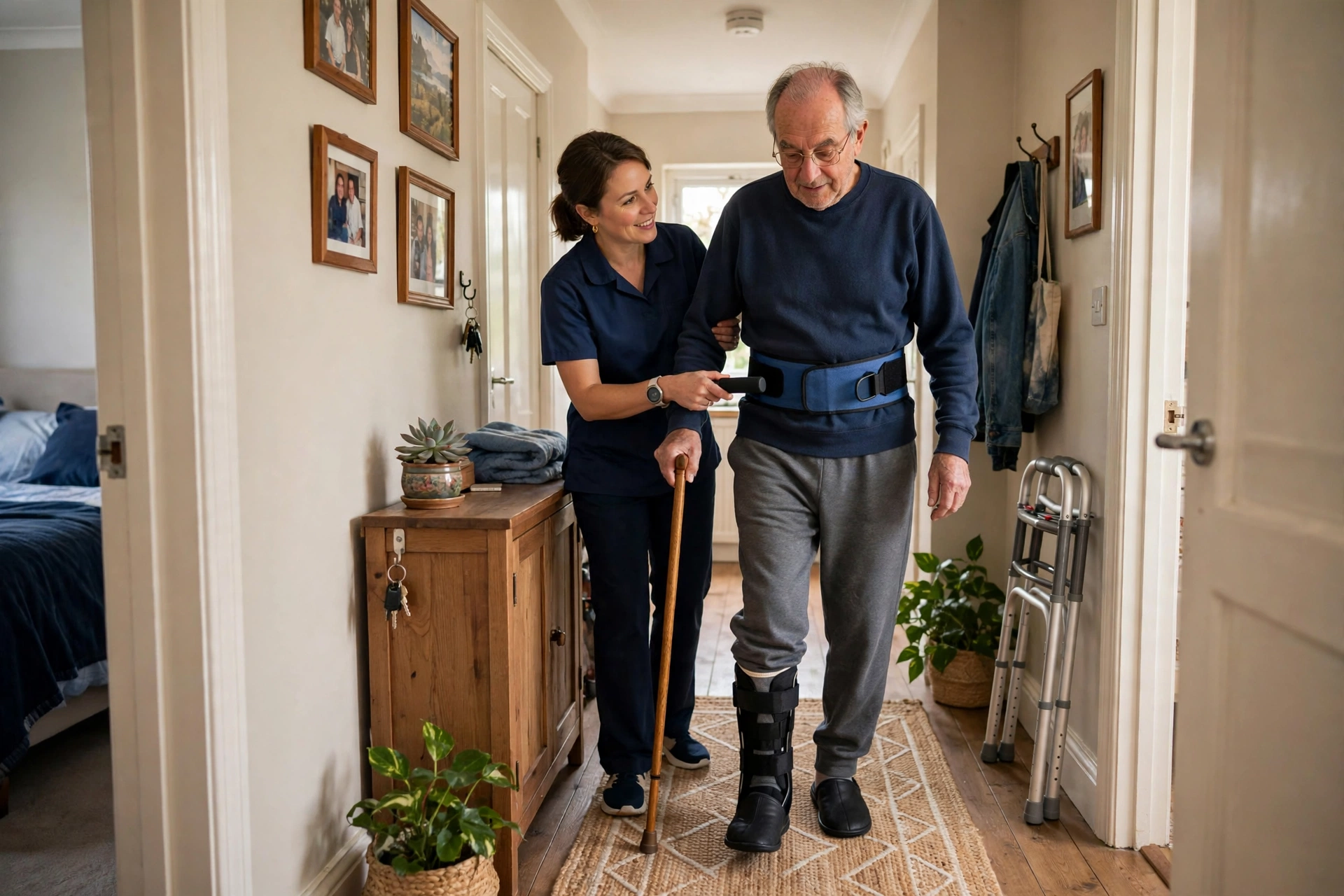
Exercise helps recovery, but wrong exercises rank among the riskiest things to avoid after stroke. Doing exercises without supervision can strain weak muscles, injure stiff joints, or cause falls that send the patient back to hospital. Another frequent error is pushing too hard too soon. Follow your physiotherapist’s plan, do the prescribed repetitions, and stop with sharp pain, dizziness, or unusual fatigue. Family members should encourage the exercises, not invent new ones. Progress in stroke recovery comes from the right movement done consistently, not from heroic effort.
6. Do Not Ignore Swallowing Problems
Many stroke patients develop difficulty swallowing, and ignoring it can let food or liquid enter the lungs and trigger pneumonia. Warning signs include coughing during meals, a wet sounding voice after swallowing, or food pocketing in the cheek. If you notice these, ask your doctor for a swallowing assessment before the next meal. Sit fully upright while eating, take small bites, avoid rushing meals, and follow any texture guidance your speech therapist gives. When families ask what should you not do after a stroke about swallowing problems, the answer is simple: never ignore the signs.
7. Do Not Ignore Depression and Emotional Changes
Depression affects roughly one in three stroke survivors, yet families often dismiss it as sadness that will pass on its own. After a stroke, low mood, crying spells, anger, or withdrawal deserve the same attention as physical symptoms.
Depression slows rehabilitation because the patient loses the will to practice, and it raises the risk of another stroke through poor sleep and neglected self care. If low mood lasts more than two weeks, talk to your doctor. Counseling, support groups, and sometimes medication help, and small daily decisions rebuild the patient’s sense of control. Among the answers to what should you not do after a stroke, neglecting mental health is the one families most often regret.
8. Do Not Go Back to Your Old Diet
Returning to salty, oily, or sugary food undoes much of what medication and therapy achieve. High salt intake pushes blood pressure up, fried foods raise cholesterol, and excess sugar worsens diabetes, all of which invite a second stroke. This does not mean boring food. Families can cook familiar Pakistani dishes with less oil and salt, more vegetables and lentils, and whole grains. Small steady changes work better than a strict diet nobody follows.
9. Do Not Skip Follow Up Visits and Health Checks
Recovery does not end at hospital discharge, and skipping follow up visits is a quiet but serious mistake. Regular checkups let your doctor track blood pressure, adjust medicines, spot complications early, and update your therapy plan. Bring a list of all medicines, note any new symptoms, and ask questions about activity limits at every visit. Between visits, monitor blood pressure at home if your doctor recommends it, and keep a simple diary of progress to discuss next time. At every visit, ask your doctor what should you not do after a stroke in the coming weeks, so the care plan stays safe.
The One Rule That Matters Most
Never stop a prescribed medicine without talking to your doctor first. Stopping blood thinners or blood pressure medicine on your own can trigger a second stroke, even when you feel fine. If a medicine worries you, call your doctor and ask about the side effect instead of skipping doses. Your doctor can adjust the dose or switch the medicine safely. This one rule protects everything else in your recovery, so keep it even when progress feels slow.
Related reading: brain stroke treatment in Pakistan
What Should You Not Do After a Stroke: Frequently Asked Questions
How soon can I drive after a stroke?
You should not drive until your doctor clears you after a proper assessment of strength, vision, reaction time, and judgment. For many patients this takes several months. Driving earlier is one of the riskiest answers to what should you not do after a stroke, because slowed reactions can cause accidents even on familiar roads.
Can I drink alcohol after a stroke?
Doctors advise avoiding alcohol completely after a stroke. Alcohol raises blood pressure, interacts with blood thinners and other stroke medicines, and increases the risk of falls. If you drank regularly before, ask your doctor how to quit safely.
What is the biggest mistake stroke patients make?
The biggest mistake is stopping prescribed medication once they start feeling better. Blood thinners and blood pressure medicines prevent a second stroke even when you feel fine, and stopping them suddenly can trigger the very event you recovered from.
Can a second stroke happen, and how do I prevent it?
Yes, the risk of a second stroke is highest in the first year. You lower it by taking medicines exactly as prescribed, controlling blood pressure and diabetes, quitting smoking and alcohol, eating a heart healthy diet, exercising as your therapist advises, and attending every follow up visit.
When should I call the doctor urgently after a stroke?
Call emergency services immediately for sudden one sided weakness, face drooping, slurred speech, sudden vision loss, or severe headache. Fast treatment saves brain tissue, so never wait to see if symptoms pass on their own.
Related Guides for Stroke Recovery in Lahore
- stroke rehabilitation centre in Lahore
- physiotherapy for stroke patients at home
- diet after stroke
- American Stroke Association: Life After Stroke
The Bottom Line
Knowing what should you not do after a stroke matters as much as knowing what to do. These stroke patient precautions are straightforward: do not skip medication, drive too soon, smoke or drink, delay rehab, exercise without guidance, or ignore swallowing problems, depression, and follow up care. Each mistake you avoid gives your brain a better chance to heal and keeps a second stroke at bay.
Medical disclaimer: This article is for general information only and is not medical advice. Stroke recovery varies from person to person. Always follow the guidance of your treating doctor, and seek immediate medical help if new symptoms appear. The team at Quick Neuro Relief & Stroke Centre, Lahore, reviews this content for accuracy, but it does not replace a personal medical consultation.