Occupational therapy after stroke helps survivors relearn the everyday tasks that make independent life possible, from dressing and eating to cooking, working, and getting out in the community. It does not focus only on strength in isolation. It rebuilds real life, one practical task at a time, around the goals that matter most to the patient. This guide explains what occupational therapy after stroke involves, when to start it, and seven proven ways it restores daily independence.
Key Takeaways
- Occupational therapy after stroke rebuilds independence in daily living activities, not just muscle strength.
- It covers self care, home tasks, thinking skills, return to work, and community life.
- Starting early, with daily practice at home, gives the best chance of regaining independence.
- Small adaptive tools and simple home changes often help more than expensive equipment.
- Families help most when they encourage practice, keep tasks safe, and celebrate steady progress.
What Is Occupational Therapy After Stroke?
Occupational therapy after stroke is rehabilitation focused on occupation in its widest sense, meaning every activity that fills a normal day. An occupational therapist for stroke patients looks at what the patient wants to do again, what currently stops them, and which skills, strategies, or tools can close that gap.
It differs from physiotherapy in a useful way. Physiotherapy after stroke mainly rebuilds strength, balance, walking, and movement. Occupational therapy after stroke uses movement inside meaningful tasks. A patient may practise reaching, grip, and planning inside real meals and dressing tasks. The movement matters because it serves a real purpose, and that purpose keeps the patient motivated to practise.
Occupational therapy for stroke patients also addresses thinking and perception. Memory, attention, planning, and awareness of one side of the body can all affect daily life, even when strength looks reasonable. A therapist then builds strategies such as checklists, routines, and rest breaks that make tasks safer.
When Should Occupational Therapy After Stroke Start?
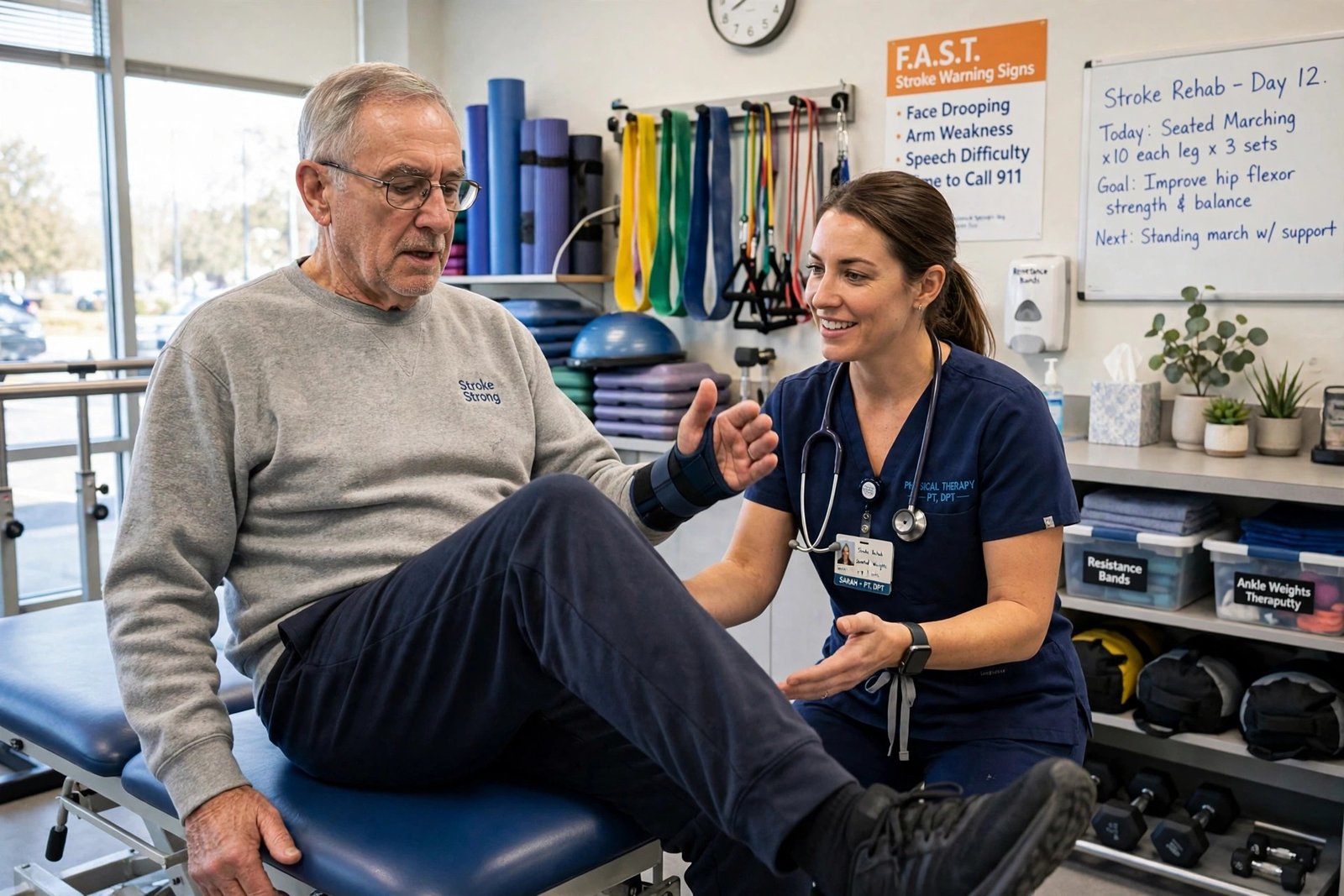
Occupational therapy after stroke should start as soon as doctors confirm the patient is medically stable, often in hospital within the first days. Early assessment shows which daily tasks need help, which risks exist at home, and which goals the patient values most. Early sessions stay short and gentle, and they focus on basic self care such as sitting up safely, eating, washing, and dressing with support.
Starting late does not close the door on recovery. Occupational therapy stroke recovery can continue for months and years, and many patients keep gaining independence long after hospital discharge. Still, the fastest gains usually come in the first six months, when the brain adapts most readily and new routines form quickly. Ask for a referral now, even if the patient still feels weak, because a therapist can shape a plan that matches current energy levels.
7 Proven Ways Occupational Therapy After Stroke Restores Daily Life
Every recovery plan looks different, but effective occupational therapy after stroke usually works through the same seven areas.
Way 1: Rebuild Self Care Step by Step
Self care comes first, because independence in dressing, bathing, grooming, and toileting restores dignity as well as function. A therapist breaks each task into small steps, practises the hardest step first, and teaches techniques such as dressing the weaker side first and sitting down to dress. At home, keep clothes within easy reach, choose front opening tops at first, and allow extra time without rushing. Stroke occupational therapy exercises in this area look simple, yet they rebuild coordination, balance, and confidence together.
Way 2: Retrain the Arm and Hand Through Real Tasks
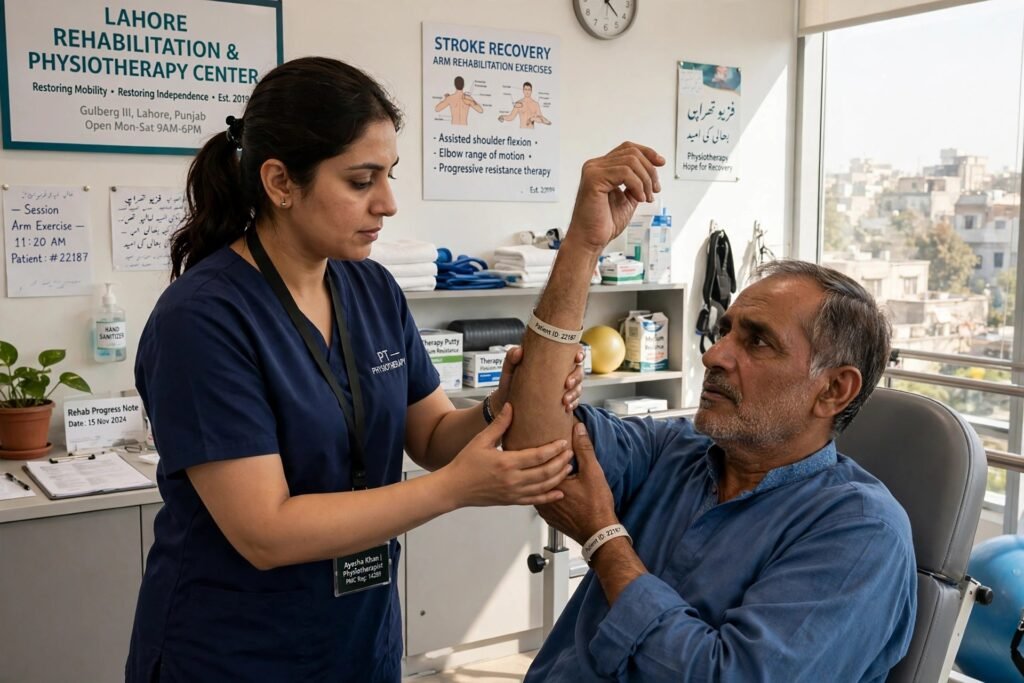
Arm and hand recovery matters most when it serves daily life. A therapist may use therapy putty and reaching tasks, but the best practice happens inside real activities such as holding a cup, buttering bread, folding laundry, or turning pages. These tasks train grip, release, coordination, and use of both hands together. Encourage the patient to use the weaker hand in safe, simple tasks many times a day, and place everyday objects on the weaker side so reaching becomes natural.
Way 3: Rebuild Thinking Skills for Everyday Decisions
Daily life demands far more thinking than most families expect. Cooking needs sequencing, shopping needs planning and money skills, and managing medicines needs memory and attention. Occupational therapy after stroke retrains these skills through graded tasks, starting with one step tasks and building toward full activities with prompts that fade over time. Simple supports help: a written morning routine, a pill organiser checked by a family member, and a grouped shopping list.
Way 4: Make the Home Safer and Easier to Use
A home assessment often reveals quick wins that transform daily life. A therapist may suggest grab rails in the bathroom, a shower chair, a raised toilet seat, better lighting, removal of loose rugs, and a clear path between bedroom, bathroom, and kitchen. Adaptive tools such as a rocker knife, a plate guard, and a button hook each solve one specific problem. Choose tools with the therapist.
Way 5: Return to Cooking, Housework, and Community Life
Instrumental tasks such as cooking, cleaning, shopping, and using transport mark the next stage of independence. A therapist rebuilds these tasks gradually, starting with a cold snack, then a simple hot meal with supervision, then a full meal with a checklist. Community life matters just as much. A therapist may practise getting in and out of a car, using a bus, visiting a shop, or meeting friends for tea. Plan short outings first at quiet times.
Way 6: Support Return to Work and Meaningful Roles
Many survivors want to work again, care for family, volunteer, or return to a hobby. Occupational therapy after stroke helps by assessing work tasks, suggesting graded return hours, recommending workplace adjustments, and practising the exact skills the role needs, from typing and writing to standing, talking, and managing fatigue. Protect the patient from pressure to return too fast, because fatigue after stroke is real, and agree a phased plan where possible.
Way 7: Build Confidence, Routine, and Long Term Independence
Confidence grows when a patient sees proof of progress. A therapist sets small, measurable goals, reviews them regularly, and raises the challenge as skills improve. A routine anchors the day, with therapy practice, rest, meals, and enjoyable activities in a predictable order. Over time, prompts fade and the patient takes charge of more tasks alone. Low mood, anxiety, and fatigue can slow this process, so raise withdrawal or loss of interest with the doctor promptly.
What Does Progress Look Like Over Time?
Occupational therapy stroke recovery rarely follows a straight line. Early gains often come quickly, especially in basic self care, then progress slows as tasks grow more complex. Plateaus happen in every recovery, and a plateau usually means the plan needs a change, not that recovery has ended. Measure progress by independence, not perfection. A patient who needs verbal prompts today and no help next month is progressing well, even if the task still takes longer than before the stroke.
Finding Occupational Therapy in Lahore
Families in Lahore can access occupational therapy after stroke through hospital rehabilitation departments, private clinics, and home visit services. Ask the treating neurologist or rehabilitation doctor for a referral, and check that the therapist holds recognised qualifications in occupational therapy. If travel is difficult, ask about home based therapy. Regular sessions plus daily home practice beat occasional sessions at a famous clinic.
Frequently Asked Questions
What is the difference between occupational therapy and physiotherapy after stroke?
Physiotherapy after stroke mainly rebuilds strength, balance, walking, and movement. Occupational therapy after stroke uses movement inside daily tasks such as dressing, cooking, working, and community activities, so the patient regains independence in real life rather than movement alone. Most survivors benefit from both, working as one rehabilitation team.
How long does occupational therapy after stroke take?
Timelines vary widely with stroke severity, other health conditions, and practice intensity. Some patients regain basic self care within weeks, while others need therapy for a year or longer to rebuild complex tasks such as work and community life. A therapist can give a realistic outlook only after assessment, and progress should be judged by growing independence over time.
Can occupational therapy help years after a stroke?
Yes, occupational therapy after stroke can still help years later, especially when the plan targets a specific task the patient wants to regain. The brain keeps adapting, and new strategies, tools, and home changes can restore independence even after a long gap. A fresh assessment often reveals goals that earlier therapy never addressed.
What should families do between therapy sessions?
Families help most by building therapy practice into daily routines, keeping tasks safe, and encouraging the patient to try before helping. Allow extra time, praise effort, keep tools and clothes within reach, and note which steps still need help. Avoid doing tasks for the patient out of kindness alone, because overhelping slows independence.
Medical disclaimer: This article provides general information only and does not replace professional medical advice. Always consult a qualified doctor or occupational therapist about diagnosis and treatment for a specific patient.
Medically reviewed by the Quick Neuro Relief clinical team, Lahore